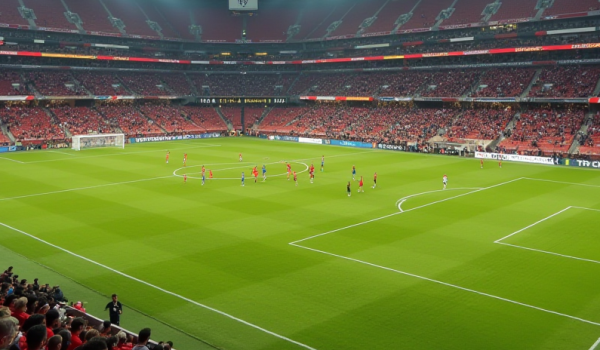

The United States has hosted major sporting events before. From the Super Bowl to the Olympics, American sports culture has always been built around spectacle, entertainment, and massive audiences.
But the 2026 FIFA World Cup may become something even bigger.
For the first time in history, the modern World Cup era will arrive in the United States at a moment when soccer is no longer viewed as a niche sport. The game has evolved dramatically across North America over the past decade, especially among younger audiences.
Streaming platforms, social media, international stars, and global football culture have completely changed the way Americans consume sports.
And now, the world’s biggest football tournament is arriving at exactly the right moment.
Unlike previous generations, younger sports fans in the United States are growing up watching:
- the Premier League,
- UEFA Champions League,
- international tournaments,
- MLS,
- South American football,
- and global football content creators online.
The sport is becoming increasingly integrated into mainstream American sports culture.
Cities across the country are already preparing for the impact.
Host regions are expecting:
- international tourism,
- cultural events,
- economic growth,
- packed stadiums,
- and global media attention unlike anything many cities have experienced before.
But the biggest transformation may happen after the tournament ends.
Historically, countries that host major international football events often experience long-term growth in:
- youth participation,
- infrastructure,
- sponsorships,
- television audiences,
- and professional league development.
The United States already has the financial power, media ecosystem, and sports infrastructure necessary to accelerate soccer’s growth even further.
Now it also has momentum.
Another major factor is diversity.
American soccer culture no longer belongs to only one demographic group. Fans from Latin America, Europe, Africa, and Asia continue shaping the football identity of cities throughout the country.
Places like Philadelphia, Miami, Los Angeles, Atlanta, Dallas, and New York are becoming global football communities where international fans bring traditions, rivalries, and passion from around the world.
That creates a completely different atmosphere compared to the American soccer environment of the past.
The 2026 World Cup could also help elevate Major League Soccer to another level internationally.
As more global stars arrive in North America and international audiences begin paying closer attention to American football culture, MLS clubs and U.S.-based football media may receive exposure never seen before.
For content creators, sports media companies, and football communities, the opportunity is enormous.
The next few years may completely redefine how soccer is viewed in the United States — not just as a growing sport, but as a permanent part of mainstream American culture.
And by the time the final whistle blows in 2026, soccer in America may never look the same again.
About the Author